Vecura – 30 Years Dedicated to the Medicine of the Future
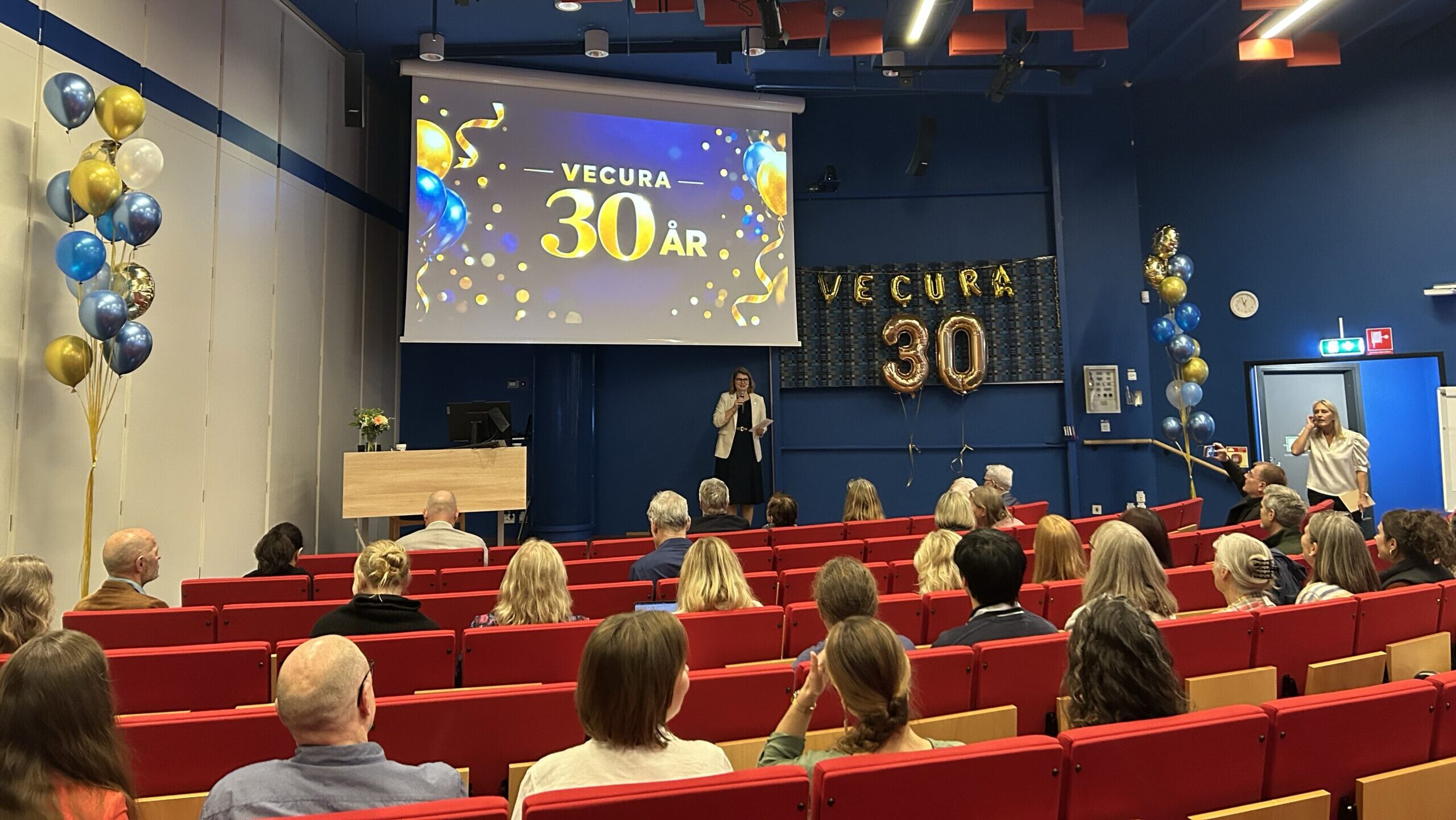
In Flemingsberg, pioneers have helped shape the medicine of the future since 1996. This year, the manufacturing unit Vecura celebrates 30 years of supporting the development of cell and gene therapies – advanced therapies that enable more personalized treatments. We spoke with Pontus Blomberg, strategic advisor and former Director of Operations, who has helped build one of Sweden’s leading laboratories in the field.
At the center of Flemingsberg’s life science ecosystem, the landmark Novum Research Park rises in its gray facade. Vecura has been located here for three decades – and so has Pontus Blomberg. He warmly jokes about being part of the fixtures before explaining how the facility grew out of developments in molecular biology, that made it possible to genetically modify cells.
“You could make the cells even better than they were in a regular transplant, and you could target specific diseases or functions in ways that had not been possible before. For example, cells specifically targeting cancer.”
The development also created a need for a specialized facility capable of producing the biological material required. Karolinska University Hospital therefore established Vecura – the first laboratory in Sweden, and one of the first in Europe – able to do precisely that. The initiative came from Gösta Gahrton and Edvard Smith, two well-known names in research and healthcare. Gahrton, who had performed Sweden’s first allogeneic stem cell transplant in Flemingsberg in 1975, was a professor in medicine and had realized that gene therapy could become highly significant in the future. Edvard Smith conducted research in related fields.
“It was an investment in the future. The hospital was very forward-looking to establish it, because at the time it was only a field of research; no patients had been cured through gene therapy. It was almost a vision then, and I still think it is a little like science fiction today – but back then it was definitely science fiction,” he says, referring to the possibilities of developing new types of treatments that use the body’s own cells and genetic material as part of the treatment itself.
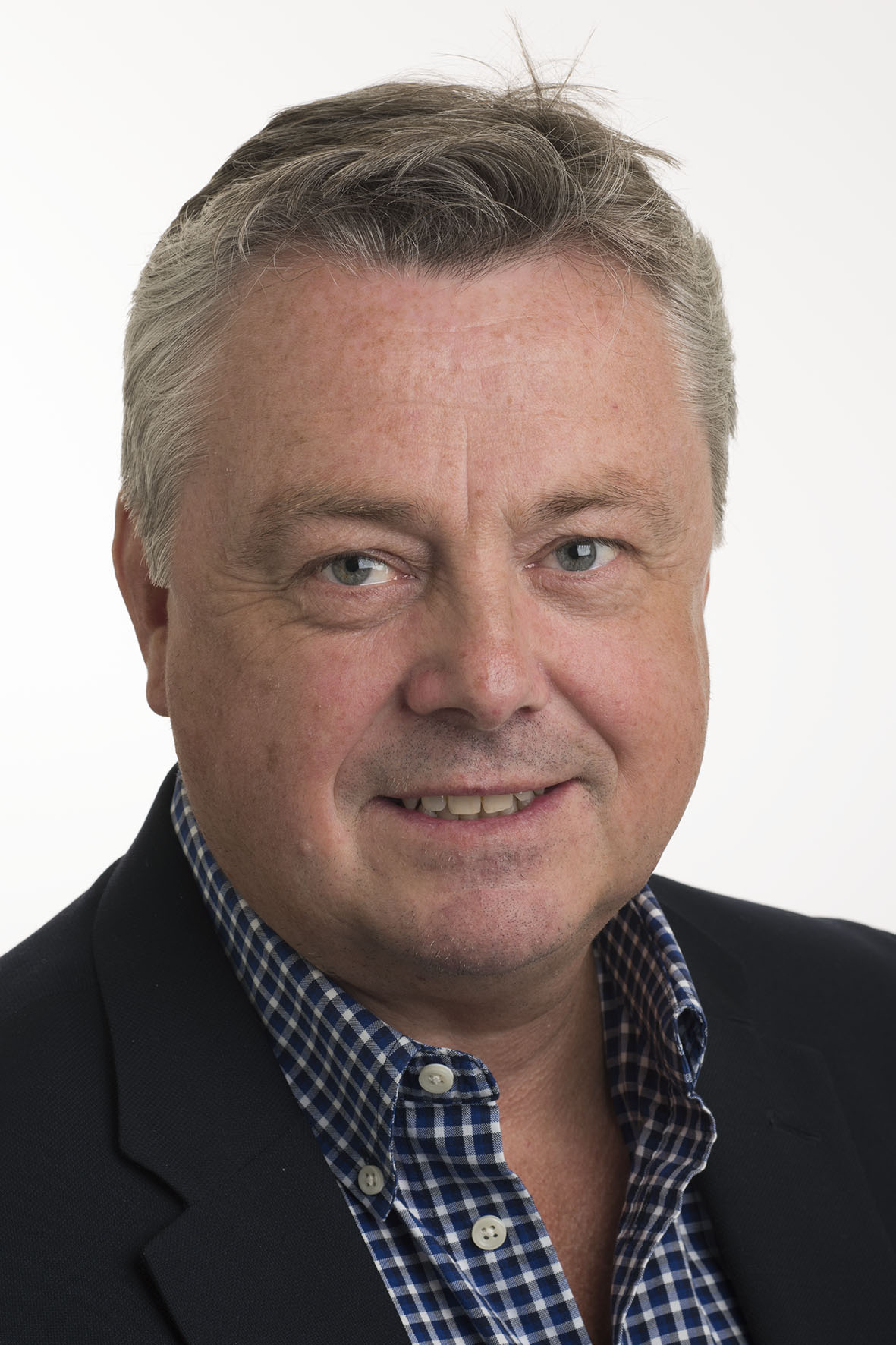
Pontus Blomberg has worked at Vecura since the start in 1996.
In the beginning, Vecura produced vectors used to transfer genetic material. A work focused on cardiovascular diseases and genetic vaccines, where they became the first in Sweden to manufacture these products.
Since then, much has happened within the field of advanced therapies, also known as Advanced Therapy Medicinal Products (ATMPs), which include tissue in addition to cells and genes. Today, several medicines and treatments are available to patients in Sweden, while research and development of new therapies continue for diseases where treatment options were previously limited.
A lot has also happened in Vecura’s now three-decade long history at the forefront of cell and gene therapy. The facility was also the first in Europe to manufacture CAR-T cells for clinical trials in collaboration with Uppsala University and Uppsala University Hospital. An advanced immunotherapy in which a patient’s own T cells are genetically modified to recognize and attack cancer cells. Pontus highlights it as one of several milestones in their history.
He also describes the importance of something that is deeply rooted in Flemingsberg as another milestone: the long-term, supportive ecosystem and the expertise in place.
“The fact that we have been able to maintain the operation for so many years. There are similar initiatives that have not lasted very long. In our case, it has been a matter of the hospital supporting us, getting people to use the facility, and being regarded as reliable. An extremely important part of a unit like this is also maintaining expertise. That expertise does not lie in having a highly advanced facility; it lies in the people who work here.”
Vecura’s team consists of a little over 20 people, ranging from laboratory technicians to biotechnology engineers and cell biologists. Pontus returns to the team with pride many times during our conversation.
“It is a good mix of backgrounds, and we also have people who have been here for 10, 15, or 20 years and feel that this is a good workplace where they do very interesting things that have a positive impact on people’s lives.”
Today, Vecura is part of the Karolinska ATMP Center, a collaboration between Karolinska University Hospital and Karolinska Institutet. The entire ATMP chain brought together here in Flemingsberg – from research and development to manufacturing and patient treatment.
“I think we have a very, very strong ecosystem here in Flemingsberg. Much because of the physical proximity: research, manufacturing, and patient treatment are all located more or less in the same building. You can walk between all these operations without even having to go outside,” he says.
From a broader perspective, he also sees advantages in Sweden’s size.
“Sweden is a small country, so we do not have the same resources that may be available elsewhere. On the other hand, we have the opportunity to avoid becoming fragmented. We have a hub here – a center of activity and expertise that cannot be found in the same way elsewhere.”
When we ask Pontus to predict where advanced therapies will be in ten years, he quickly responds that it already has become a very broad field, with many potential applications and much more research and development still to come. When it comes to Vecura’s continued contribution, he sees several possible paths.
“One such area is nucleic acid therapies for vaccines, which could be used against both infectious diseases and cancer. I believe we will be able to play a major role there. There are so many applications that it will not be enough to have just one facility somewhere doing everything. There will be plenty to do, and we will be one of the actors contributing.”
After three decades at Vecura, the manufacturing unit in the landmark Novum Research Park in Flemingsberg, Pontus Blomberg will retire this spring. A long and substantial journey, where he began as a researcher and has had the opportunity to both witness and play a part in the development of what is known as the medicine of the future.
“I have had the privilege of following the entire development of the field. It has been incredibly exciting, a really exciting job.”
What he’s most proud of?
“Definitely the team. This is a team effort.”
We then agree that Vecura’s 30-year history and contribution to the medicine of the future are difficult to capture in a conversation lasting less than an hour – or to fit into a single article.