Flemingsberg became part of a global hackathon
Today, Flemingsberg is one of Stockholm’s most exciting meeting places for creators, entrepreneurs, researchers and innovators. Through the Hack-Nation Global AI Hackathon, Flemingsberg became one of a select number of locations around the world where participants built solutions side by side as part of a global innovation event that brought together thousands of participants from more than 100 countries.
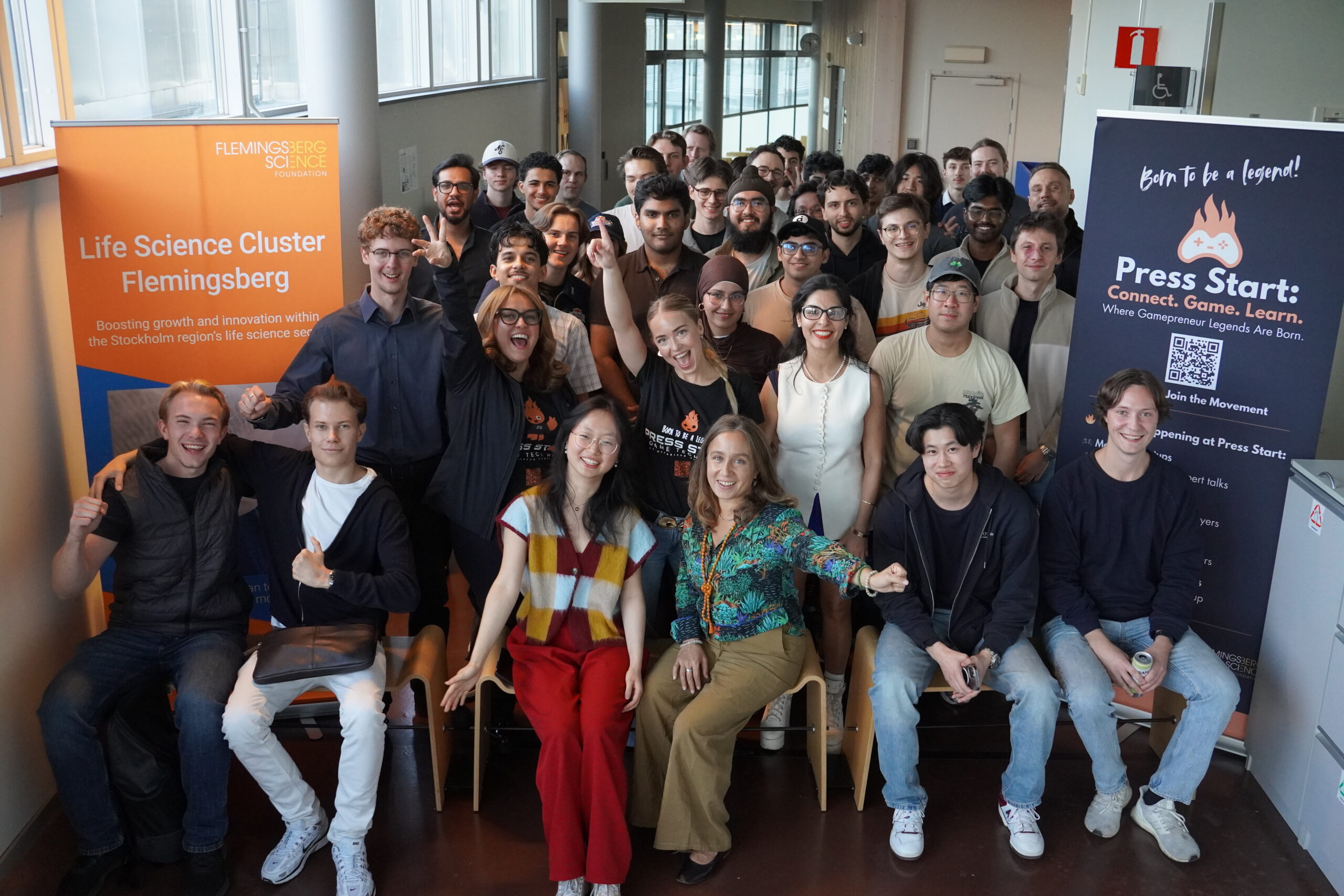
Students and researchers from Södertörn University, Karolinska Institutet, KTH Royal Institute of Technology, Stockholm School of Economics and Uppsala University came together with high school students and experienced developers to take part in the HackNation Global AI Hackathon. The event was hosted locally by Flemingsberg Science through its initiatives Press Start Game Tech Hub and Life Science Cluster Flemingsberg.
What made the weekend particularly special was the mix of people, disciplines and levels of experience working side by side to tackle real-world challenges. Participants in Flemingsberg developed and competed with AI solutions as part of the same global hackathon as participants from some of the world’s most renowned universities and innovation environments, including MIT Sloan School of Management, Stanford University and Harvard University.
“What was so exciting was seeing so many different people come together and build side by side. Students, researchers, developers and young talent brought completely different perspectives, but shared the same drive to create and solve problems. That is exactly the kind of meeting we want to create more of in Flemingsberg.”
Leslie Alfredsson, Head of Press Start
And in February, it’s time to do it all again. HackNation returns to Flemingsberg for another hackathon, bringing new challenges, new connections and new opportunities to build together.
Stay tuned! The invitation and more information are coming soon.